
Breast ultrasound is a safe, non-invasive breast imaging test. Doctors use it to look at breast tissue. Often, it helps find the cause of a lump or check changes seen on a mammogram. Because it uses sound waves, there is no radiation. Many people have questions about what to expect during a breast ultrasound. This guide explains the process, benefits, and important facts about this common test.
What is a Breast Ultrasound?
A breast ultrasound is a medical test. It uses high-frequency sound waves to create pictures of the inside of your breast. Unlike X-rays, it does not use radiation. Instead, it shows images on a screen in real time. Doctors often use breast ultrasound to check breast lumps or other changes. It is also called a non-invasive breast exam.
Why is a Breast Ultrasound Performed?
Doctors order a breast ultrasound for several reasons. For example, it helps:
Sometimes, a breast ultrasound is used along with other breast imaging tests. This helps doctors get a clearer picture of your breast health.
How to Prepare for a Breast Ultrasound
Preparing for a breast ultrasound is simple. Usually, you do not need to do much. However, you can follow these tips:
Most people do not need to fast or change their diet before the test.
What Happens During the Procedure?
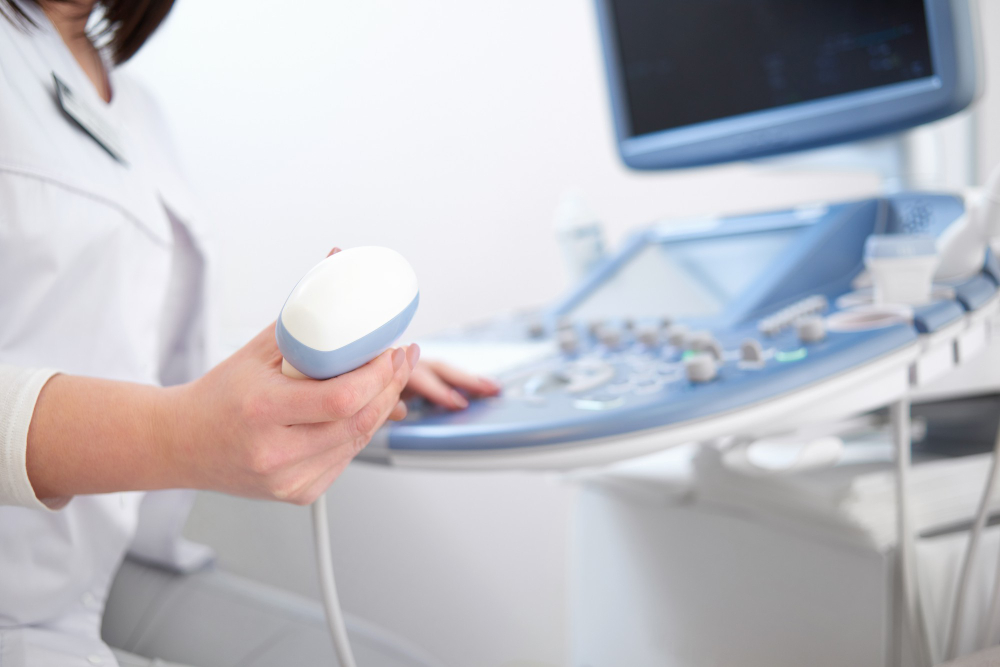
During a breast ultrasound, you will lie on your back or side. A technician or doctor will place a clear gel on your breast. This gel helps the sound waves travel. Next, they will move a small device, called a transducer, over your skin. You may feel slight pressure, but it should not hurt. The test usually takes 15 to 30 minutes. After the test, you can wipe off the gel and get dressed.
Benefits and Limitations
Breast ultrasound offers many benefits. For instance, it is:
However, there are some limitations:
Even so, doctors often use breast ultrasound with other tests for the best results.
Understanding Results
After the test, a radiologist will look at the images. They will send a report to your doctor. Sometimes, you may get results the same day. Other times, it may take a few days. Your doctor will explain what the results mean. If the ultrasound shows something unusual, you may need more tests, such as a biopsy or MRI. But often, the results show normal breast tissue or harmless cysts.
Safety and Risks
Breast ultrasound is very safe. Because it uses sound waves, there is no risk of radiation. Most people do not have side effects. Rarely, you may feel mild discomfort from the pressure of the transducer. However, this goes away quickly. According to the World Health Organization (WHO), ultrasound is safe for most people, including pregnant women.
Frequently Asked Questions
Prevention and Lifestyle Guidance
While breast ultrasound helps find problems, it does not prevent them. However, you can take steps to protect your breast health:
Early detection is key. Therefore, talk to your doctor about the best screening plan for you.
Consult a radiologist or healthcare provider at Pixel Diagnostic Centre for personalized advice about breast ultrasound.